Custom Men’s Wedding Rings
Your wedding ring does not have to come from a limited selection of standard bands. We create custom men’s wedding rings around your preferred style, dimensions, metal, finish, gemstones, engraving, and personal details.
Browse the men’s custom wedding rings below for inspiration. We can modify any of the men’s custom wedding rings shown here or create a completely original design from your drawing, photograph, logo, pattern, or idea. Whether you prefer a clean traditional band, a diamond wedding ring, a textured design, or something based on a personal interest, the final choices are yours.
Showing 1–50 of 168 results
-
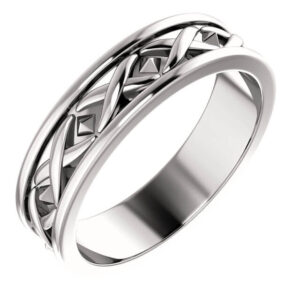
“X” Men’s Wedding Ring
-
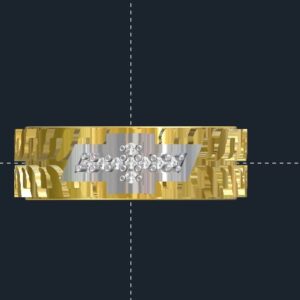
2 Tone Chevy Tire Tread Wedding Band
-
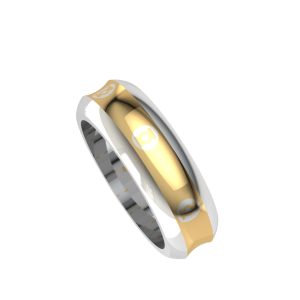
2 Tone Green Lantern Wedding Ring
-
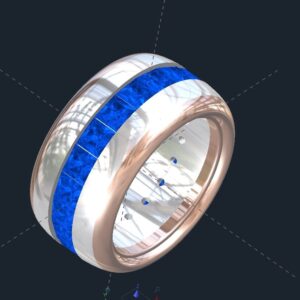
2 Tone Princess Cut Eternity Ring
-
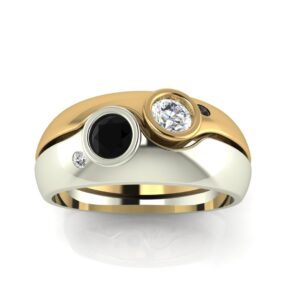
2 Tone Unisex Diamond Wedding Band
-
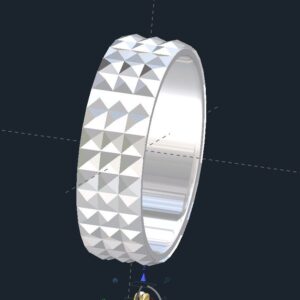
3D Pyramid Wedding Ring
-
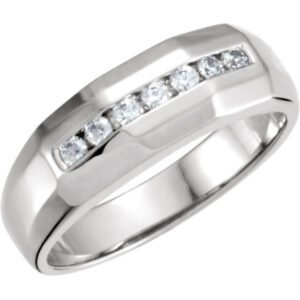
7 Stone Men’s Wedding Ring
-

Accented Batman Wedding Band
-
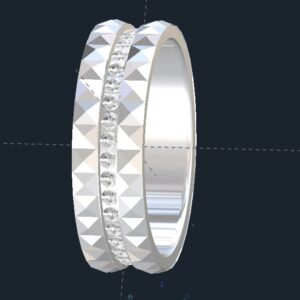
Accented Pyramid Wedding Ring
-
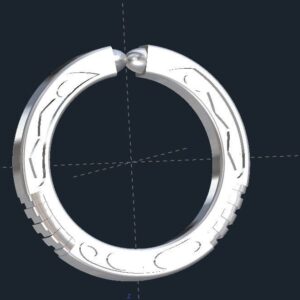
Ahsoka LightSaber Men’s Wedding Band
-
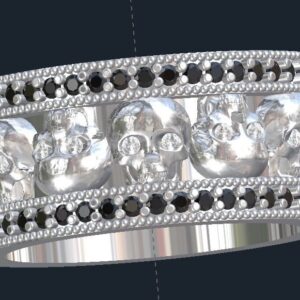
Ancient Skull & Diamond Wedding Band
-
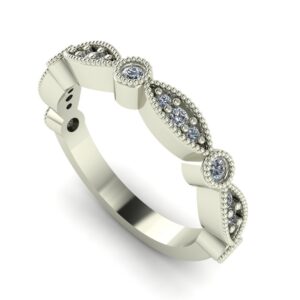
Art Deco Wedding Band
-
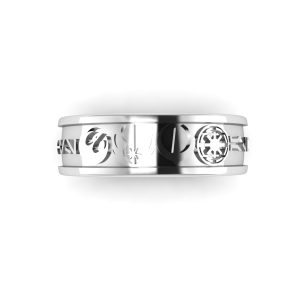
Aurebesh Star Wars Wedding Ring
-
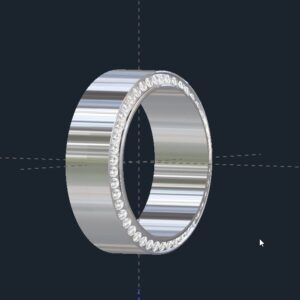
Beveled Diamond Wedding Ring
-
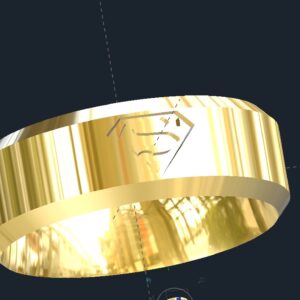
Beveled Superman Wedding Band
-
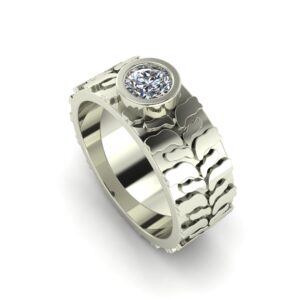
Bezel Set Mud Tire Tread Wedding Band
-
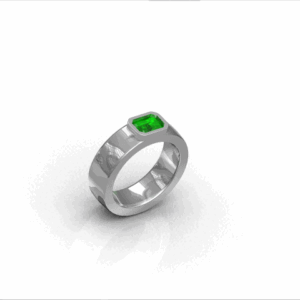
Bezel Set Wedding Ring
-
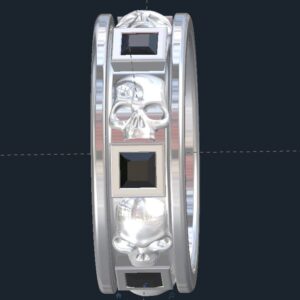
Black Diamond Skull Wedding Band
-
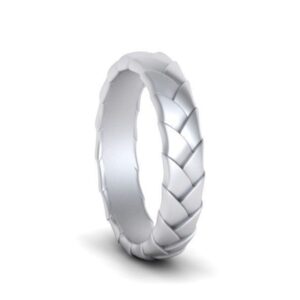
Braided Leather Wedding Ring
-
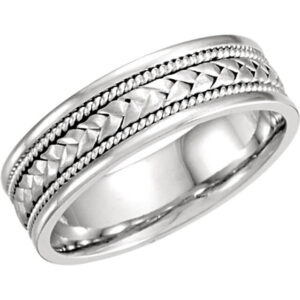
Braided Men’s Wedding Ring
-
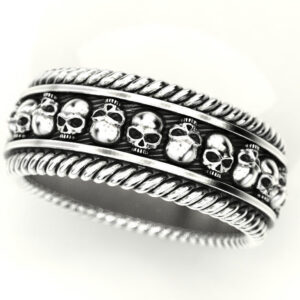
Braided Skull Wedding Ring
-
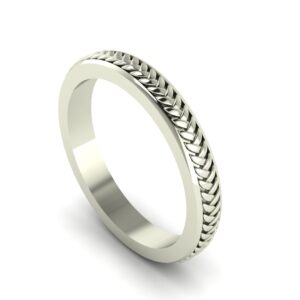
Braided Wedding Ring
-
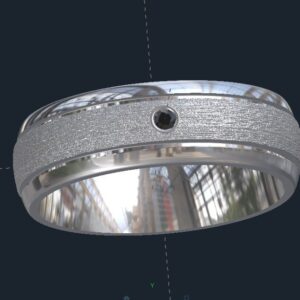
Brushed Center Men’s Diamond Wedding Ring
-
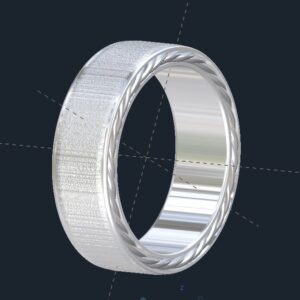
Brushed Men’s Wedding Ring
-
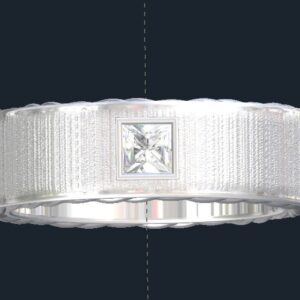
Brushed Men’s Wedding Ring W/ Center Stone
-
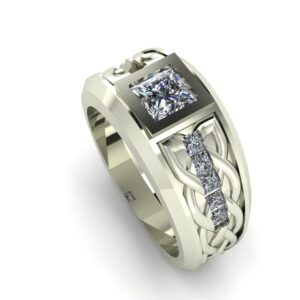
Celtic Diamond Wedding Ring
-
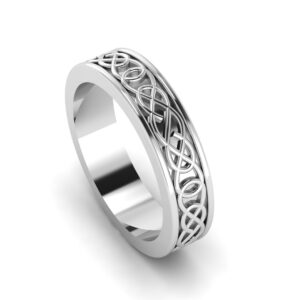
Celtic Weave Wedding Band
-
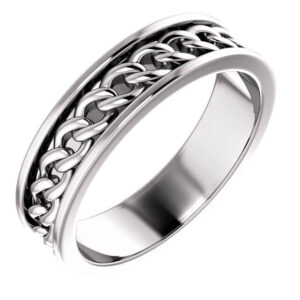
Chain Men’s Wedding Ring
-
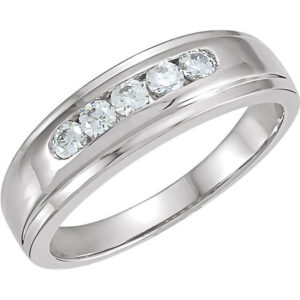
Channel Set Men’s Wedding Ring
-
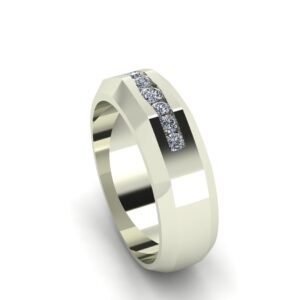
Channel Set Wedding Ring
-
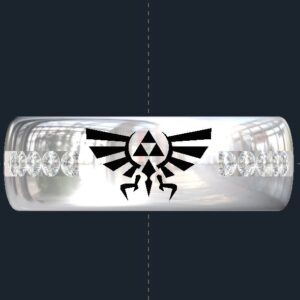
Channel Set Zelda Triforce Ring
-
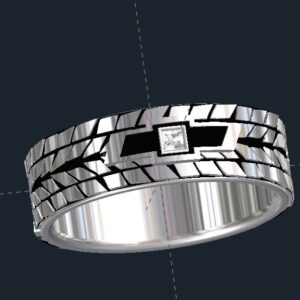
Chevy Tire Tread Wedding Bands
-
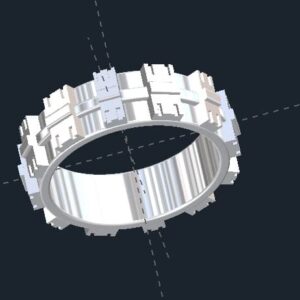
Chewbacca Bandolier Ring
-
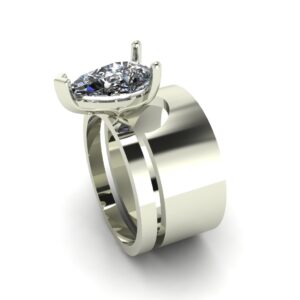
Cigar Band Engagement Ring Set
-
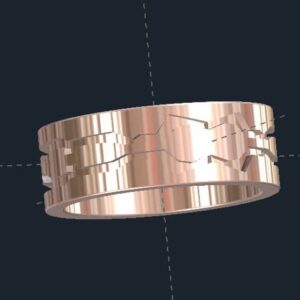
Cortana Wedding Band
-
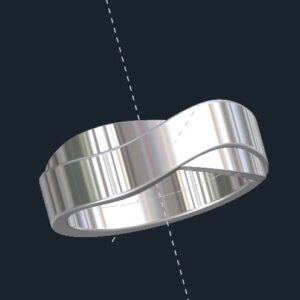
Crossover Wedding Band
-
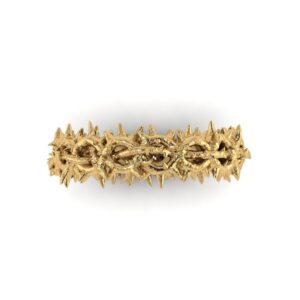
Crown of Thorns Ring
-
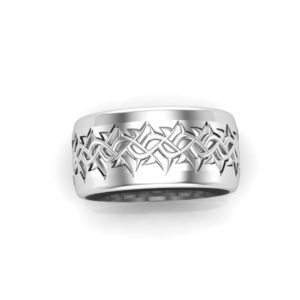
Crown of Thorns Wedding Ring
-
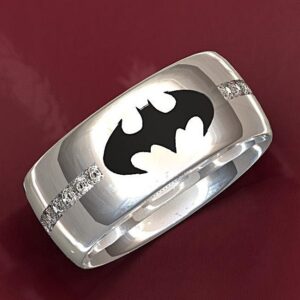
Custom Batman Wedding Ring
-
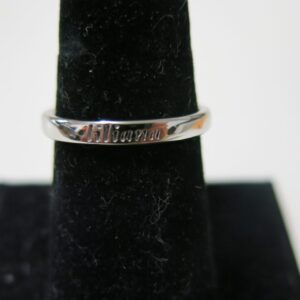
Custom Engraved Wedding Rings
-
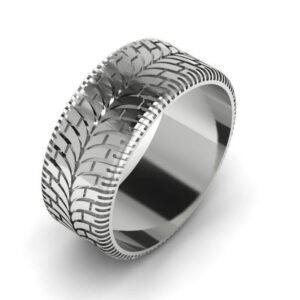
Custom Tire Tread Wedding Ring
-
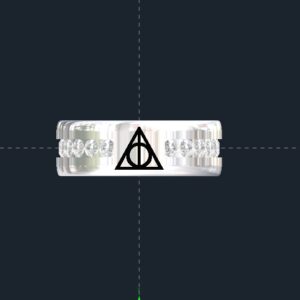
Deathly Hallows Wedding Ring
-
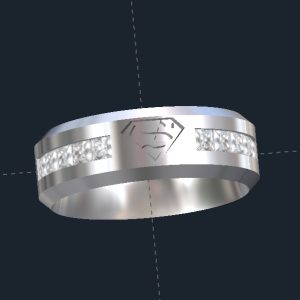
Diamond Beveled Superman Wedding Ring
-
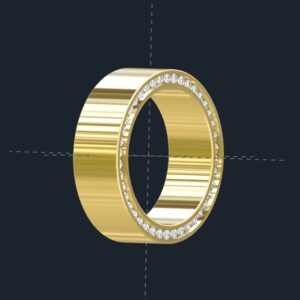
Diamond Edge Wedding Ring
-
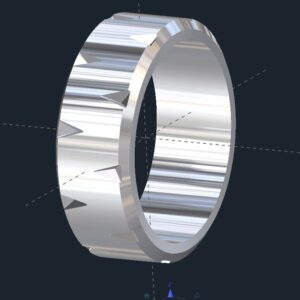
Diamond Grooved Men’s Wedding Ring
-
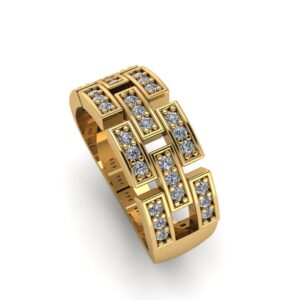
Diamond Interlocking Wedding Ring
-
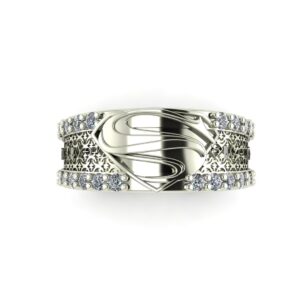
Diamond Kryptonian Wedding Ring
-
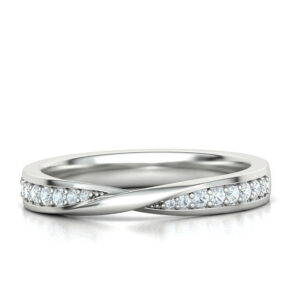
Diamond Mobius Wedding Ring
-
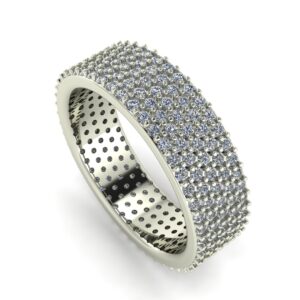
Diamond Pave Wedding Band
-
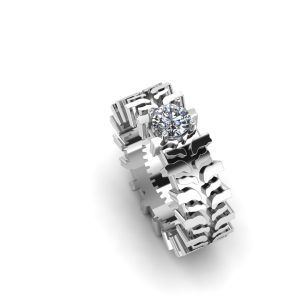
Diamond Tire Tread Wedding Ring
Design Men’s Wedding Rings That Fit You
A custom wedding ring gives you control over more than its appearance. Its width, thickness, weight, interior shape, edges, and finish can all be adjusted to suit your hand and the way you intend to wear it.
You can begin with one of the rings shown above and change selected details, combine features from several designs, or ask us to develop something entirely new. Our role is to understand what you want, explain the available options, and create the ring you approve.
Choosing the Ring Width and Proportions
The width of a wedding ring affects both its appearance and how it feels. A narrower band usually looks lighter and more understated, while a wider band creates a bolder presence and provides more space for patterns, stones, lettering, or other design elements.
The best proportions depend on your finger size, hand size, ring design, and personal preference. Width is only one consideration: the thickness, profile, edges, and overall weight also influence the comfort and balance of the finished ring.
Metals For Men’s Custom Wedding Rings
Custom men’s wedding rings can be made in yellow, white, or rose gold, platinum, sterling silver, titanium, or combinations of different metals. Each option offers a different color, weight, price, and level of durability.
Gold provides the greatest flexibility for intricate casting, stone setting, engraving, and future resizing. Platinum has a naturally white appearance and substantial feel. Titanium is lightweight and durable but offers fewer options for resizing and certain types of modification. Two-tone construction can be used to create contrast or emphasize particular parts of the design.
We can help you compare the options based on your preferred appearance, lifestyle, design, and budget.
Standard Fit or Comfort Fit
A standard-fit ring has a relatively flat interior surface. A comfort-fit ring is rounded inside, allowing it to slide over the knuckle more easily and reducing the amount of metal pressing against the finger.
Comfort fit is often a good choice for wider or heavier wedding bands, although the best interior profile depends on the ring’s dimensions and the wearer’s hand. An accurate ring size is particularly important for substantial custom designs.
Finishes, Textures, and Edge Styles
The finish can dramatically change the character of men’s custom wedding rings. A polished finish creates a bright, reflective surface, while satin and brushed finishes produce a softer appearance. Hammered, engraved, sandblasted, antiqued, and other textured finishes can add depth and make the design feel less conventional.
The edges may be rounded, flat, beveled, stepped, grooved, or incorporated into the overall pattern. Different finishes can also be combined within one ring to create contrast between the center and edges.
Diamonds, Gemstones, and Other Accents
Diamonds and colored gemstones can be included as subtle accents or become a major part men’s custom wedding rings. Options range from a single flush-set stone to channel-set diamonds, pavé details, patterned arrangements, or stones incorporated into a logo or symbol.
Sapphires and rubies are popular colored-stone choices because of their durability. Other gemstones may also be appropriate depending on how the ring will be worn and how well the setting protects them.
Additional design options include enamel, contrasting metals, carved patterns, hand engraving, fingerprints, coordinates, dates, logos, and personal symbols.
Themed and Personal Men’s Custom Wedding Rings
A custom design can incorporate an interest, occupation, achievement, or shared part of your relationship. We have created rings inspired by tire treads, vehicles, tools, architecture, comic-book characters, movies, games, Celtic patterns, skulls, machinery, and original customer artwork.
A theme does not need to dominate the entire ring. It can be incorporated subtly through a pattern, engraving, side detail, hidden symbol, or interior message.
Interior and Exterior Engraving
Interior engraving is commonly used for names, initials, wedding dates, coordinates, short messages, or symbols that remain private. Exterior engraving can become a visible part of the ring through lettering, patterns, artwork, fingerprints, or decorative details.
The amount of available space depends on the ring’s width, size, and design. We can help determine whether the engraving should be produced through CAD, laser engraving, or traditional hand engraving.
How the Custom Process Works For Men’s Custom Wedding Rings
The process begins when you send us an idea, photograph, drawing, or existing ring you would like to modify. We discuss the dimensions, metal, finish, stones, engraving, budget, and other specifications before providing a price.
Once the project begins, we create a detailed CAD model of the ring. You can review the design from multiple angles and request reasonable changes before approving it for production.
After approval, the ring is cast or manufactured in the selected metal. It is then polished, textured, engraved, and set with any diamonds or gemstones included in the design. We inspect the completed ring and send photographs before shipping it to you.
What Determines the Price?
The price of custom men’s wedding rings depends on the metal, ring size, width, thickness, total weight, design complexity, gemstones, engraving, finish, and amount of labor required.
A simple silver or gold band will generally cost less than a heavy ring with intricate patterns, multiple metals, diamonds, enamel, hand engraving, or complicated construction. If you have a particular budget, we can often adjust the dimensions, materials, or details while preserving the most important parts of the design.
Start Your Custom Wedding Ring
Send us a ring from this collection, an inspiration image, or a description of what you have in mind. You do not need to understand jewelry manufacturing or arrive with a finished drawing. We can help organize your ideas, explain the practical choices, and develop them into a workable design. This is one reason why were the place to go for men’s custom wedding rings.