https://www.valeriacustomjewelry.com/custom-engagement-rings/Custom Solitaire Engagement Ring
A solitaire engagement ring places one principal diamond or gemstone at the center of the design. Although the basic concept is simple, the ring can be customized through the stone shape, setting height, prong style, band width, metal, engraving, and side-profile details.
Browse our custom solitaire engagement ring designs below for inspiration. We can modify any design shown here or create a completely new ring around your preferred center stone, style, and budget.
Showing 1–50 of 54 results
-
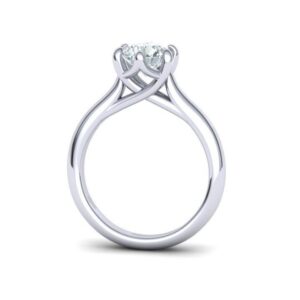
6 Prong Trellis Engagement Ring
-
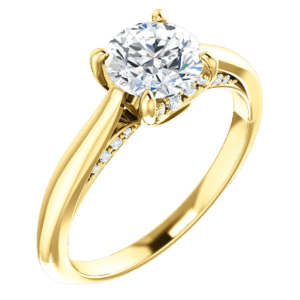
Accented Cathedral Solitaire Ring
-
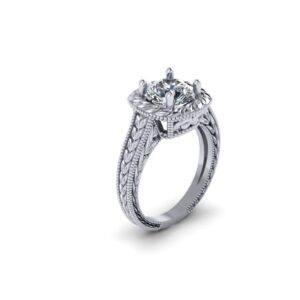
Art Deco Solitaire Engagement Ring
-
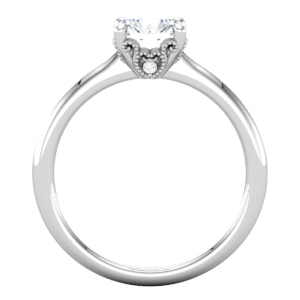
Beaded Solitaire Engagement Ring
-
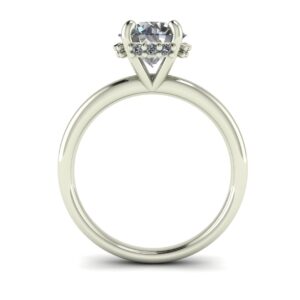
Belted Solitaire Engagement Ring
-
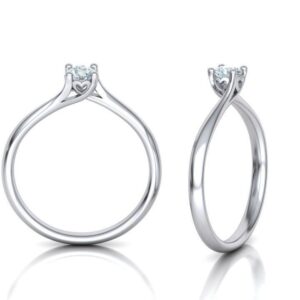
Bypass Heart Solitaire Engagement Ring
-
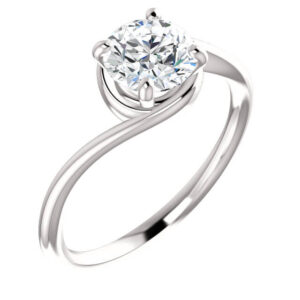
Bypass Solitaire Engagement Ring
-
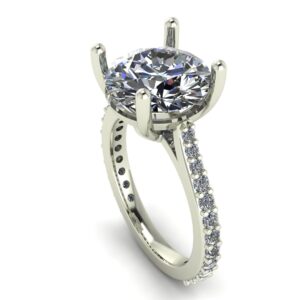
Cathedral Set Engagement Ring
-
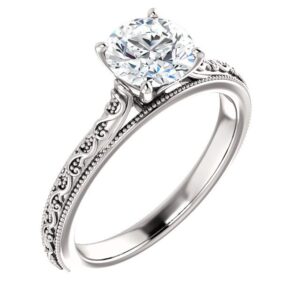
Cathedral Solitaire Engagement Ring
-
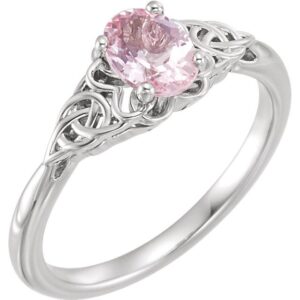
Celtic Inspired Solitaire Ring
-
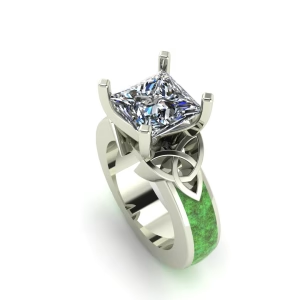
Celtic Lapis Inlay Engagement Ring
-
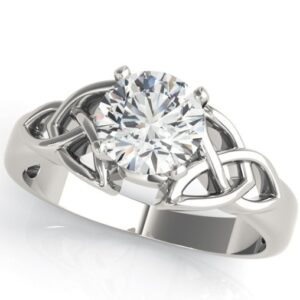
Celtic Solitaire Engagement Ring
-
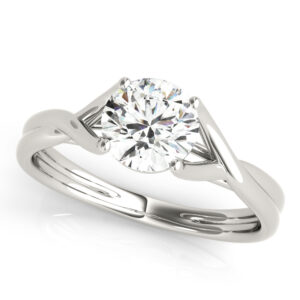
Crossover Cathedral Engagement Ring
-
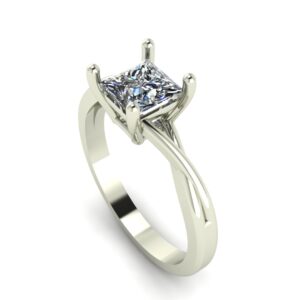
Crossover Princess Engagement Ring
-
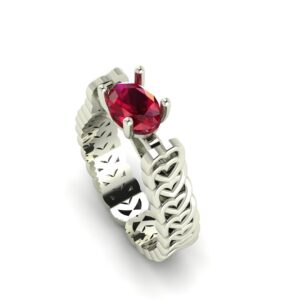
Cuban Link Infinity Engagement Ring
-
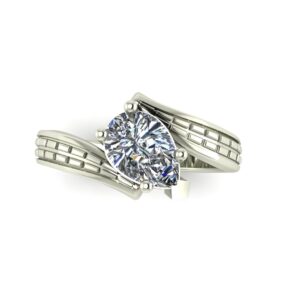
Diamond Bypass Engagement Ring
-
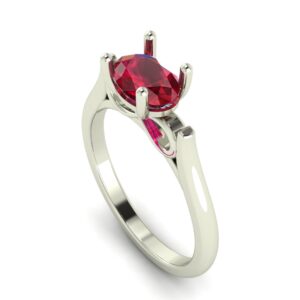
East West Infinity Engagement Ring
-
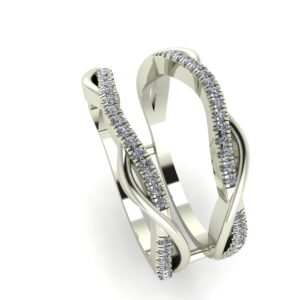
Engagement Ring Enhancer
-
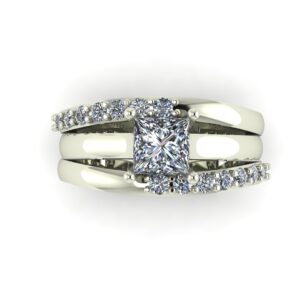
Engagement Ring with Enhancer
-
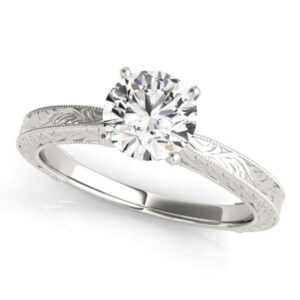
Engraved Solitaire Engagement Ring
-
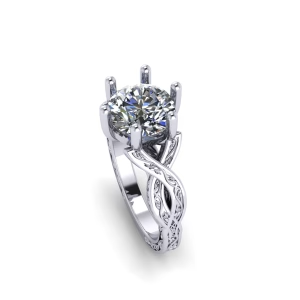
Engraved Split Shank Engagement Ring
-
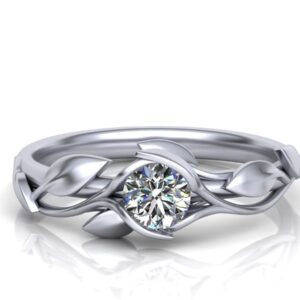
Floral Tension Set Solitaire Engagement Ring
-
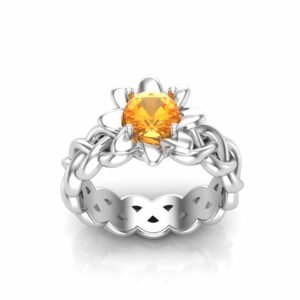
Floral Woven Engagement Solitaire Ring
-
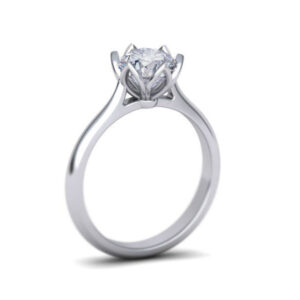
Flower Petal Engagement Ring
-
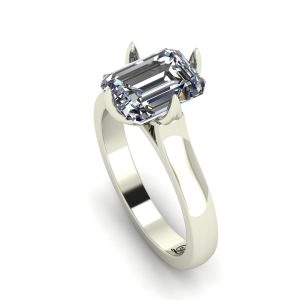
Hand Engraved Solitaire Engagement Ring
-
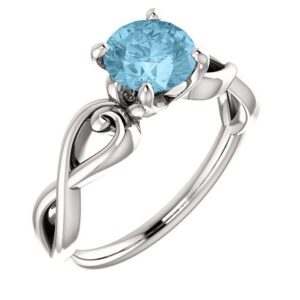
Infinity Solitaire Engagement Ring
-
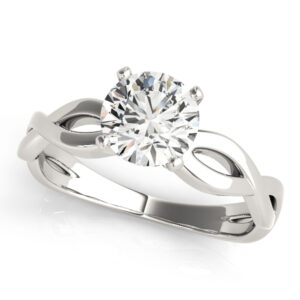
Infinity Solitaire Engagement Ring Online
-
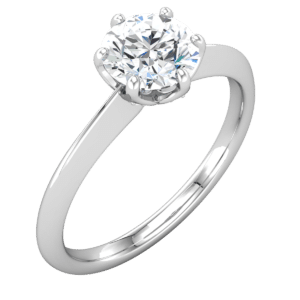
Knife Edge, 6 prong Solitaire Engagement Ring
-
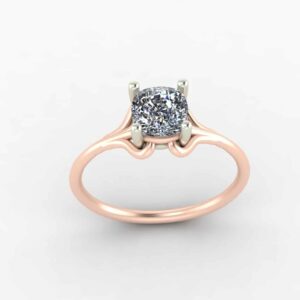
Looped Shank 2 Tone Solitaire Ring
-
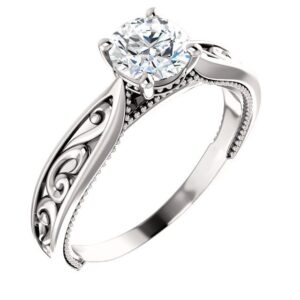
Milgrained Solitaire Engagement Ring
-
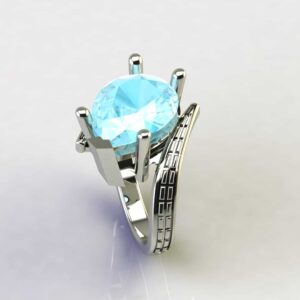
Pear Shaped Bypass Ring
-
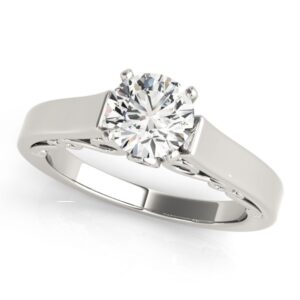
Scrolled Cathedral Solitaire Ring
-
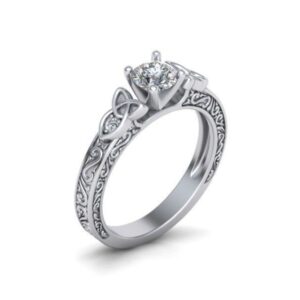
Scrolled Celtic Engagement Ring
-
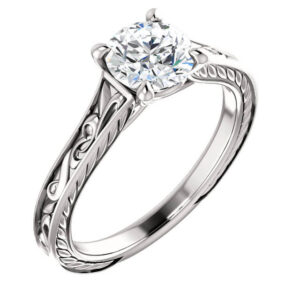
Scrolled Vintage Engagement Ring
-
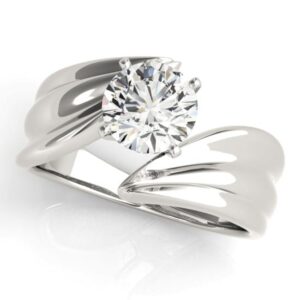
Sculptural Bypass Solitaire Ring
-
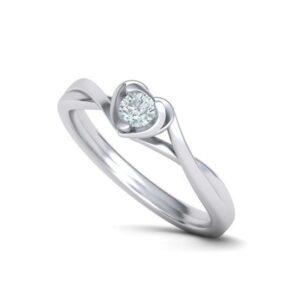
Sculptural Heart Engagement Ring
-
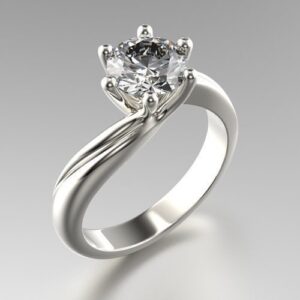
Sculptural Solitaire Engagement Ring
-
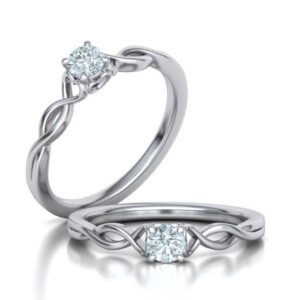
Split Shank Heart Solitaire Engagement Ring
-
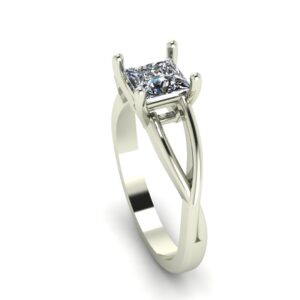
Split Shank Princess Cut Ring
-
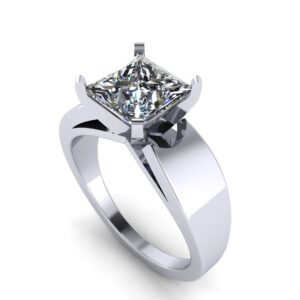
Tapered Solitaire Engagement Ring
-
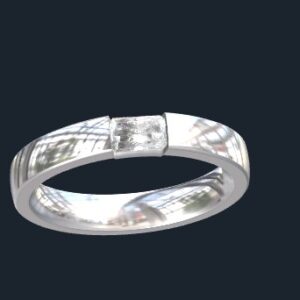
Tension Set Engagement Ring
-
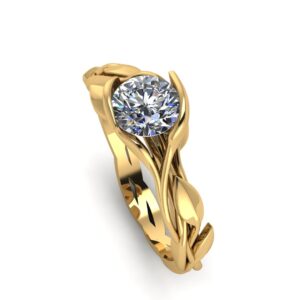
Tension Set Floral Engagement Ring
-
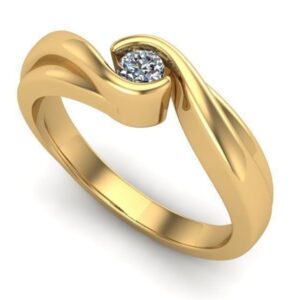
Tension Set Solitaire Engagement Ring
-
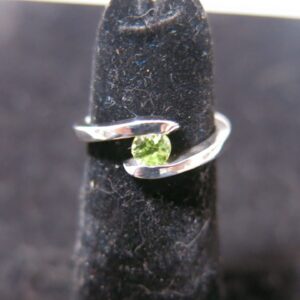
Tension Setting Engagement Rings
-
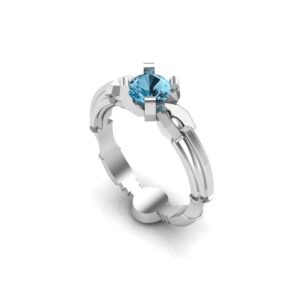
The Sonic Screwdriver Solitaire Ring
-
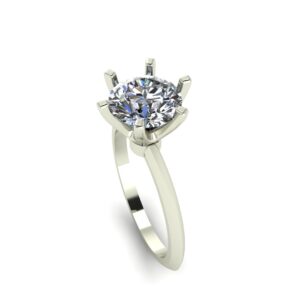
Tiffany Style Engagement Ring
-
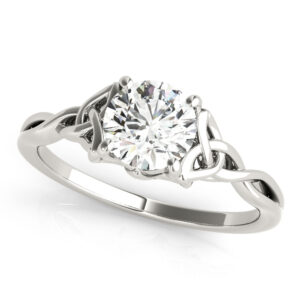
Triquetra Engagement Ring
-
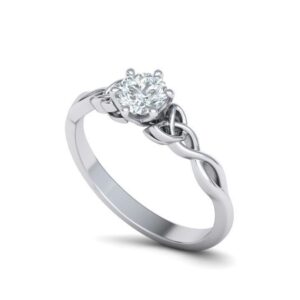
Triquetra Solitaire Engagement Ring
-
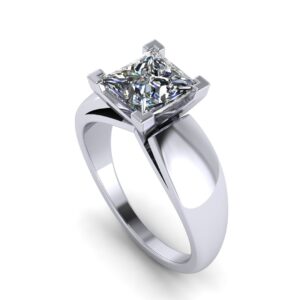
V Prong Solitaire Engagement Ring
-
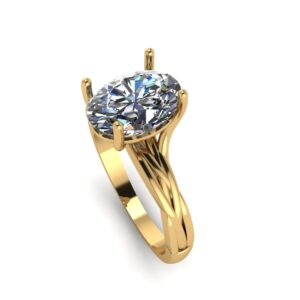
Vine Engagement Ring
Design a Solitaire Engagement Ring Around Your Stone
The center stone is the main focus of a solitaire ring, so its shape, dimensions, and setting should be considered together. Round, oval, cushion, emerald, radiant, pear, marquise, princess, and other shapes can all be used, but each requires different proportions and support.
You may choose a natural diamond, lab-grown diamond, moissanite, sapphire, ruby, emerald, or another suitable gemstone. The ring can also be designed around a stone you already own, provided its exact measurements and condition are known.
Solitaire Setting Styles
A traditional prong setting exposes more of the center stone and allows light to enter from several directions. Four-prong settings create a more open appearance, while six prongs provide additional points of contact and often give round stones a more traditional look.
A cathedral setting raises the stone between arches that rise from the band. A bezel surrounds the stone with a rim of metal for a smoother and more protective profile. Basket, trellis, tulip, tension-style, and low-profile settings can also be incorporated depending on the stone and design.
A solitaire does not have to be plain. Engraving, filigree, milgrain, hidden stones, contrasting metals, sculpted details, or an unusual basket can add character without taking attention away from the center stone.
Choosing the Band
The width and profile of the band affect both the appearance and comfort of the ring. A narrow band can make the center stone appear more prominent, while a wider band creates a more substantial look and provides additional room for engraving or decorative metalwork.
The band may be straight, tapered, split, twisted, knife-edged, rounded, flat, or sculpted around the center setting. Polished, brushed, hammered, and other finishes can also change the character of the design.
Custom Solitaire Engagement Ring Metals
Solitaire rings can be made in yellow gold, white gold, rose gold, platinum, or a combination of metals. Yellow and rose gold create a warmer appearance, while white gold and platinum provide a bright neutral background around the center stone.
A two-tone ring can use a white-metal setting with a yellow- or rose-gold band. This allows the prongs to blend visually with a colorless stone while preserving the contrasting metal color elsewhere in the design.
Setting Height and Everyday Wear
A higher setting can make more of the center stone visible and may allow a straight wedding band to sit beneath it. It can also catch more easily on clothing, gloves, or other objects.
A lower setting generally feels more compact and may be better suited to someone who works frequently with their hands. The best height depends on the stone’s depth, the setting style, the desired wedding-band fit, and how the ring will be worn.
Pairing the Ring With a Wedding Band
Some custom solitaire engagement ring designs sit closely beside a straight wedding band, while others require a curved or fitted band. The basket, prongs, cathedral arches, and height of the center stone all affect the available clearance.
When possible, it is helpful to consider the wedding band while designing the engagement ring. We can adjust the profile to accommodate the type of band you prefer or create a matching band around the engagement ring’s exact dimensions.
How the Custom Solitaire Engagement Ring Process Works
The process begins with your ideas, inspiration images, preferred stone, metal, ring size, and budget. You may select one of the rings shown above as a starting point or ask us to combine features from several designs.
After the design direction and price are established, a deposit is required to begin the CAD model. You will receive detailed renderings showing the ring from multiple angles and can request reasonable changes before approving it for production.
Once approved, the ring is manufactured in your chosen metal, polished, finished, and set with the center stone. We inspect the completed ring and send photographs before shipping.
Start Designing Your Custom Solitaire Engagement Ring
Send us a design from this collection, a photograph of a ring you like, or the specifications of the center stone you want to use. We will help you refine the setting, proportions, profile, and other details to create a solitaire engagement ring built around your preferences.